 LINGUAGEM

Lar / Notícias / Notícias da indústria / Machined Aluminium: Alloys, Processes & Aluminum Casting Guide
Precision Manufacturing Deep Dive
Machined Aluminium: What It Is, How It Works, and Why It Outperforms Other Metals
Machined aluminium delivers tolerances as tight as ±0.005 mm, a strength-to-weight ratio roughly three times better than steel, and surface finishes down to Ra 0.4 µm — making it the default choice for aerospace brackets, automotive housings, medical instruments, and consumer electronics enclosures. Whether the starting point is an aluminum casting, an extruded billet, or a rolled plate, the subsequent machining stage determines whether a part meets real-world dimensional requirements. This article explains the full picture: alloy grades, machining processes, how casting feeds into machining workflows, tooling strategy, quality control, and realistic cost benchmarks.
What Machined Aluminium Actually Means — and Why the Starting Form Matters
The phrase "machined aluminium" describes any aluminium part that has been shaped by subtractive processes — cutting, drilling, milling, turning, or grinding — rather than (or in addition to) forming processes. The raw stock can begin life in several different forms, and that choice has downstream consequences for cost, mechanical properties, and minimum wall thickness.
Billet (Wrought) Stock
Extruded or rolled aluminium billets offer the most uniform grain structure. Because the material has never been melted and re-solidified after the initial ingot stage, porosity is essentially zero. Billet-machined parts typically achieve tensile strengths of 310–570 MPa depending on alloy and temper, with no internal voids to compromise fatigue life.
Aluminum Casting Blanks
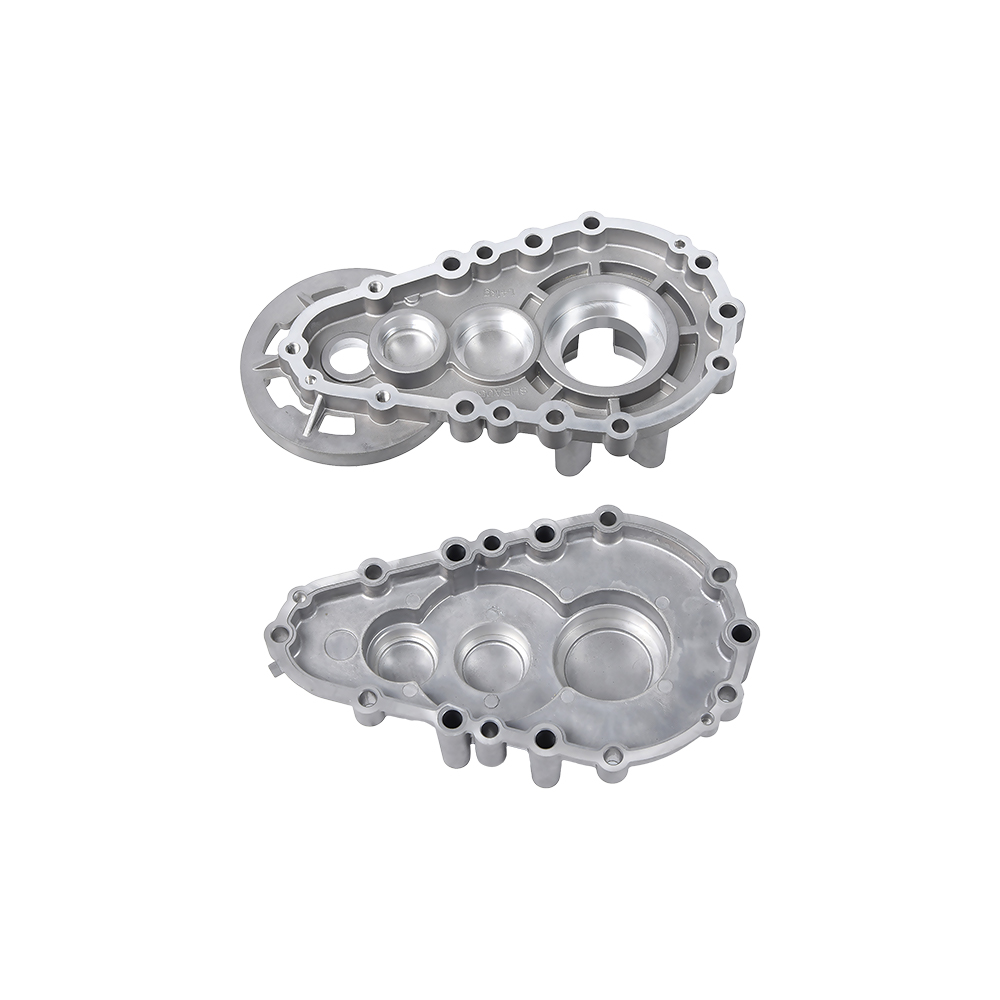
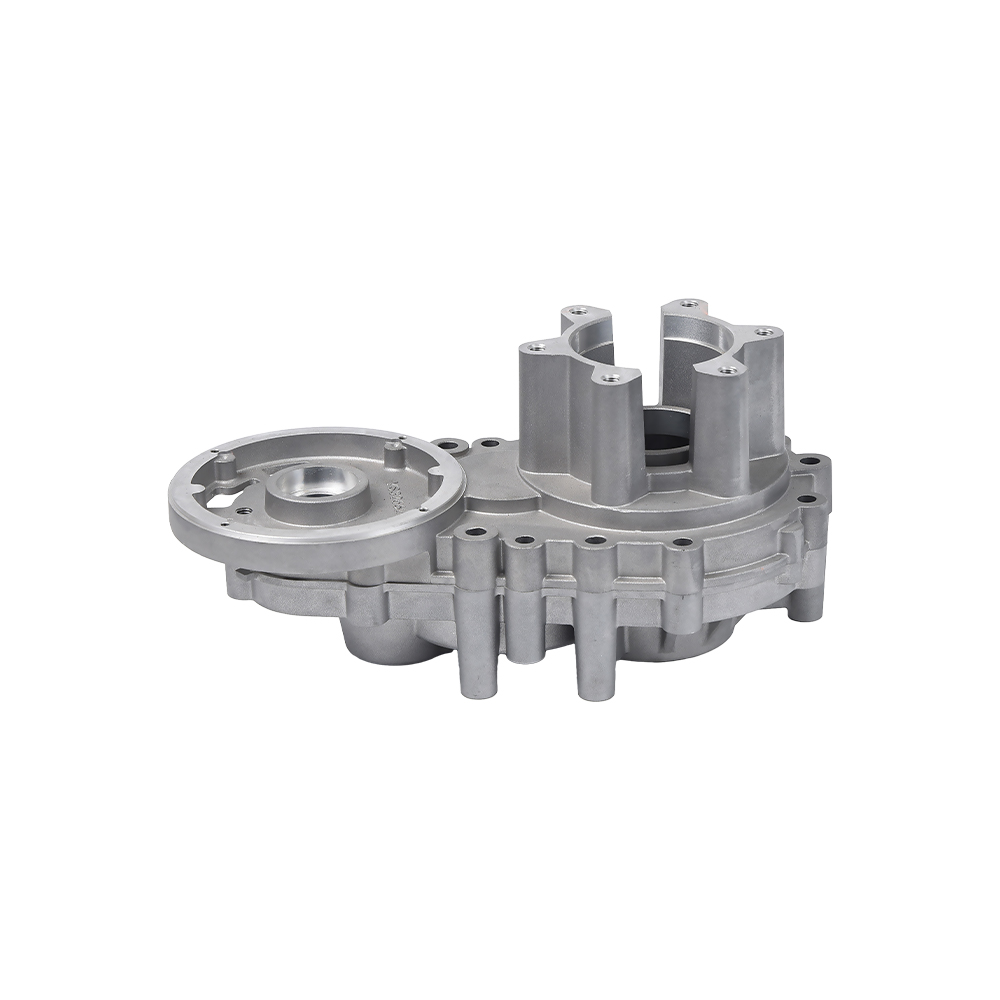
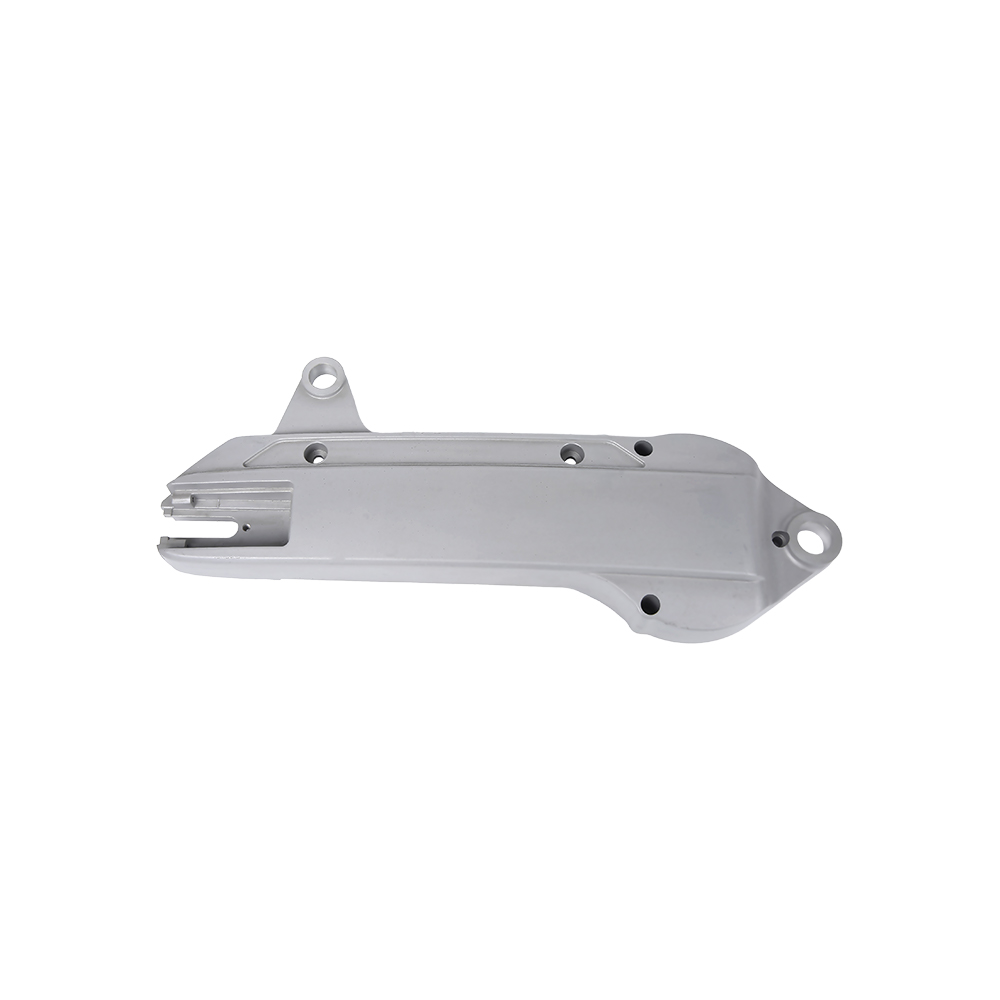
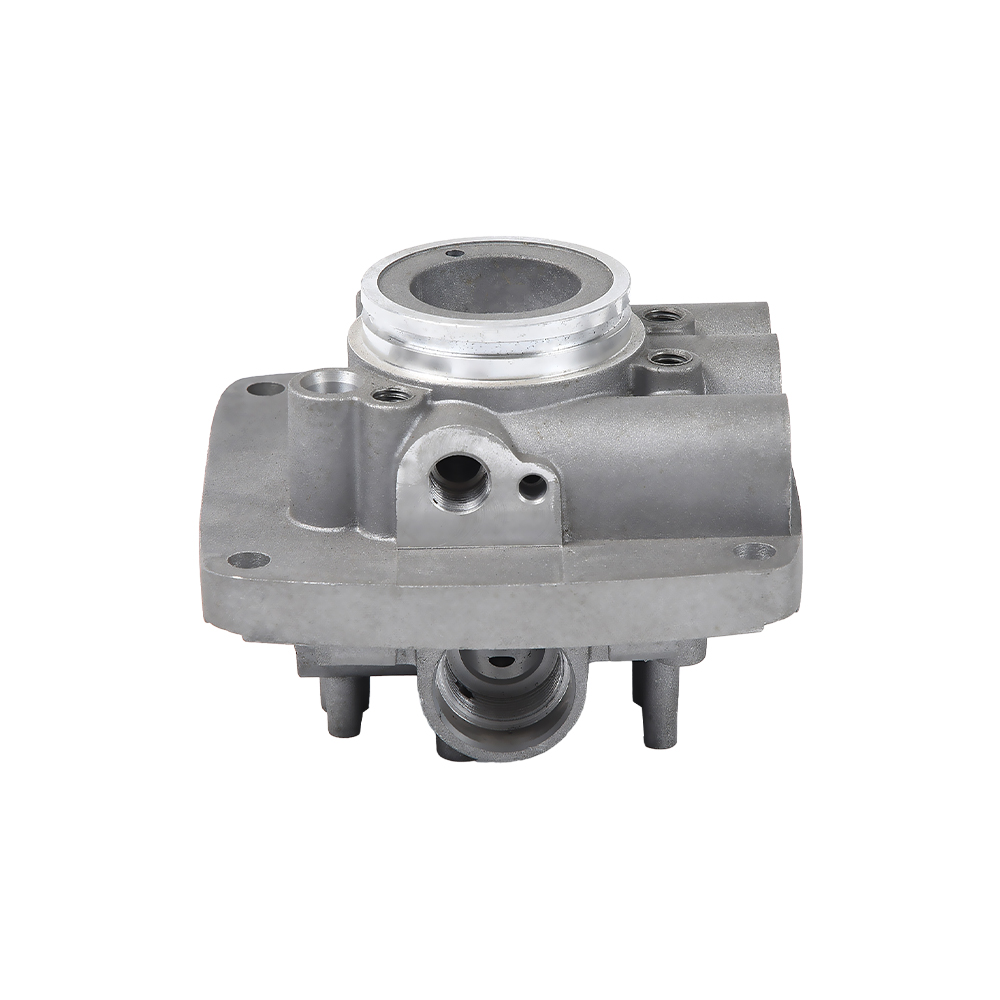
An aluminum casting — whether produced by die casting, sand casting, or permanent mold casting — can arrive near-net-shape, dramatically reducing material waste before machining begins. Post-casting machining then refines critical features: bores, sealing faces, thread holes, and datums that the casting process cannot hold to tight tolerance. Industry practice allows 1–3 mm of machining stock on cast surfaces.
Plate and Sheet
Flat aluminium plate (typically 6–100 mm thick) suits enclosures, panels, and jigs. CNC routers and mills cut 2D profiles and pockets with high efficiency. Sheet stock below 6 mm is more commonly stamped or laser-cut, with machining limited to drilled or tapped features.
The key insight is that aluminum casting and machined aluminium are not competing processes — they are complementary stages in a single production workflow. High-volume parts often start as castings to minimize raw-material cost, then pass through a machining cell to achieve the dimensional accuracy a casting alone cannot deliver.
Choosing the Right Aluminium Alloy for Machining
Alloy selection controls machinability, corrosion resistance, hardness, and whether the part can be anodized to a deep, consistent colour. The table below summarises the grades most commonly encountered in machining shops worldwide.
| Alloy | Series | Tensile Strength | Machinability Rating | Typical Use |
|---|---|---|---|---|
| 6061-T6 | 6xxx (Mg-Si) | 310 MPa | Good (B) | Structural, automotive, marine |
| 7075-T6 | 7xxx (Zn-Mg) | 572 MPa | Good (B) | Aerospace, high-stress brackets |
| 2024-T4 | 2xxx (Cu-Mg) | 470 MPa | Good (B) | Aircraft skins, fatigue-critical |
| 6082-T6 | 6xxx (Mg-Si) | 340 MPa | Good (B) | European structural standard |
| 2011-T3 | 2xxx (Cu-Bi) | 380 MPa | Excellent (A) | Screw machine parts, fittings |
| A380 (cast) | Al-Si-Cu casting | 320 MPa | Good after casting | Die cast housings, covers |
| A356-T6 (cast) | Al-Si-Mg casting | 283 MPa | Good after T6 heat treat | Wheels, pump bodies, aerospace |
6061-T6 accounts for the majority of general-purpose machined aluminium parts worldwide because it balances strength, corrosion resistance, weldability, and cost. 7075-T6 is the go-to when weight must be minimised without sacrificing load capacity — its tensile strength rivals many mild steels at one-third the density. For parts that start as an aluminum casting, A380 and A356 are the dominant alloys in high-pressure die casting operations globally, with A380 holding roughly 60% of die casting aluminium alloy consumption in North America according to the North American Die Casting Association (NADCA).
Core Machining Processes Applied to Aluminium
Aluminium responds differently from steel under each cutting operation. Its low melting point (660 °C), high thermal conductivity, and tendency to form a built-up edge on the tool require process parameters tuned specifically to the material.
CNC Milling
Three-axis and five-axis milling centres are the backbone of machined aluminium production. Aluminium can be milled at surface speeds of 500–3,000 m/min with carbide tooling — five to ten times faster than steel. High-speed machining (HSM) strategies use shallow axial depth of cut combined with high feed rates to keep chip loads consistent and avoid heat buildup in the part. Pocket milling, contouring, and face milling are the three operations most frequently applied to aluminium enclosures and structural brackets.
CNC Turning (Lathe)
Round cross-sections — shafts, bushings, fittings, and threaded connectors — are produced on CNC lathes. Aluminium turns cleanly with uncoated carbide or PCD (polycrystalline diamond) inserts. Surface finish Ra values below 0.8 µm are routinely achievable in a single turning pass without a secondary grinding step, which reduces cycle time considerably compared to equivalent steel operations.
Drilling and Tapping
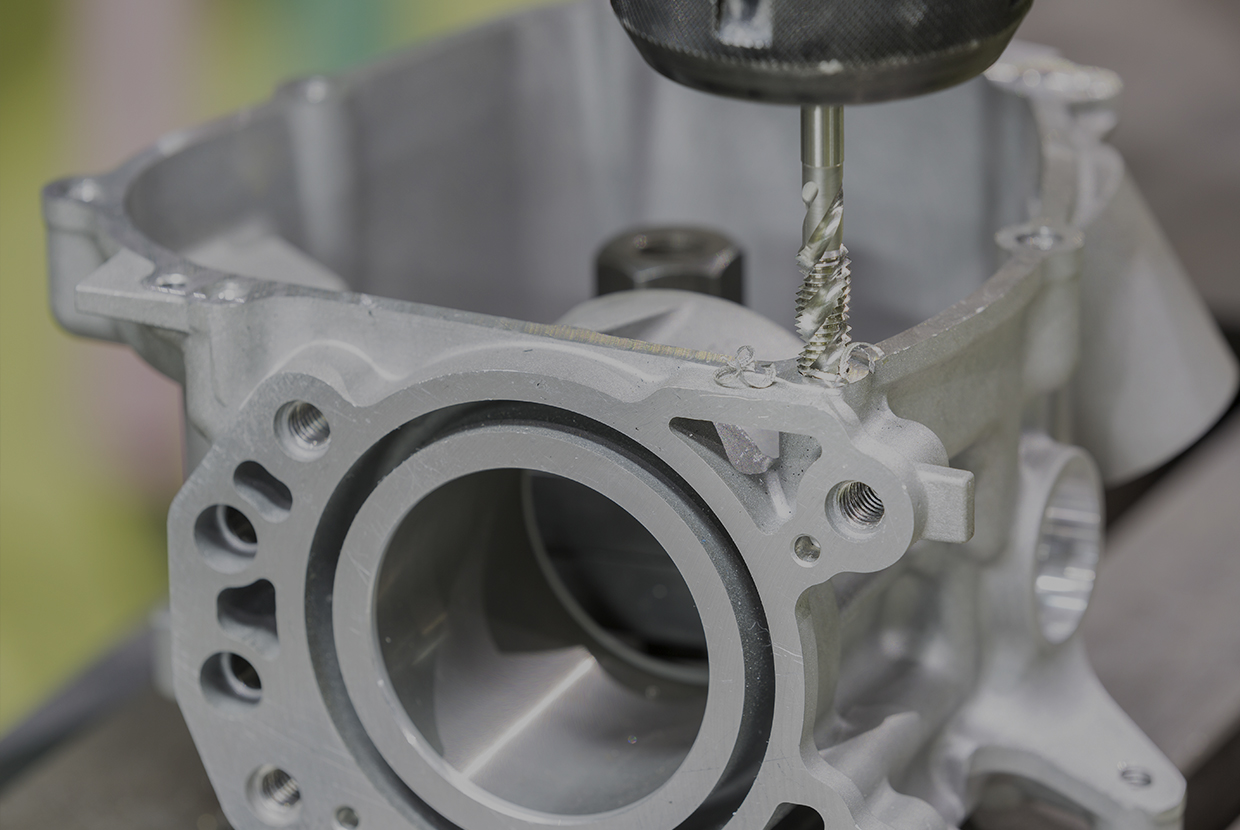
Threaded holes in machined aluminium almost always require a coarse-pitch thread (the material is soft enough that fine pitches strip under repeated assembly cycles). M6 threads in 6061-T6 with minimum 1.5× diameter engagement are standard in structural applications. High-helix angle drills (35–40°) improve chip evacuation and prevent the packed-flute failures that occur with standard steel drills running in aluminium.
Boring and Reaming
Precision bores — bearing housings, pin holes, hydraulic cylinder bores — demand tolerances tighter than a drill can achieve. Single-point boring bars finish bores to H7 tolerance (approximately ±0.012 mm for a 20 mm bore) as a matter of routine on a machining centre. Reaming adds a final sizing step; reamers in aluminium run at 30–50% of the speed used in steel, otherwise the reamer chatters.
Grinding
Aluminium clogs conventional abrasive grinding wheels rapidly due to the metal's ductility. When grinding is unavoidable — flatness below 0.01 mm, parallelism requirements on sealing surfaces — silicon carbide or CBN wheels with open grain structures are used with copious flood coolant. Many manufacturers bypass grinding entirely by using diamond-tipped boring bars or fly-cutters to achieve the required flatness on aluminium surfaces.
EDM (Electrical Discharge Machining)
EDM is not a primary aluminium process, but it is used for intricate features — narrow slots below 1 mm, deep cavities with sharp internal corners — where a rotating cutter cannot reach. Aluminium's electrical conductivity makes it a viable EDM workpiece, though the process is significantly slower than cutting and reserved for geometries that justify the cost.
How Aluminum Casting Integrates with the Machining Workflow
The relationship between aluminum casting and machined aluminium is one of the most commercially important material processing relationships in manufacturing. Understanding how these two stages interact — and where each adds value — is essential for engineers designing parts and procurement teams sourcing them.
Step 1
Casting to Near-Net Shape
High-pressure die casting (HPDC), gravity die casting, or sand casting produces a blank that is already close to the finished geometry. Wall thickness, general contour, draft angles, and large bosses are formed in the mold at minimal incremental cost per part. Cycle times for HPDC can be as fast as 30–90 seconds per shot for small-to-medium parts (source: NADCA Product Specification Standards for Die Castings, 9th edition). This makes aluminum casting the dominant cost-reduction strategy for volumes above approximately 1,000 pieces.
Step 2
Post-Cast Cleaning and Inspection
Flash (thin fins of aluminium at parting lines) is removed by trimming dies or hand deburring. X-ray or CT scanning detects internal porosity in safety-critical castings before any machining begins — catching a porous blank before machining time is invested saves money. Surface hardness testing confirms the casting's metallurgical condition.
Step 3
Fixture Design for Cast Surfaces
Fixtured machining of castings requires careful datum selection. Cast surfaces carry dimensional variation from mold wear and thermal contraction, so the fixture must locate from cast datums that are then machined in the same setup to ensure geometric relationship. A common error is locating a casting from a surface that will itself be machined — this introduces datum shift errors that can accumulate beyond 0.5 mm across the part.
Step 4
Machining Critical Features
Once the casting is fixtured, machining targets the features that require tight tolerance: bore diameters for bearings or seals (typically H7/h6 fit, ±0.010–0.025 mm), flat sealing faces (flatness tolerance 0.05 mm or better), threaded holes (position tolerance ±0.1 mm from true position), and datum surfaces for assembly. Machining typically removes 0.5–3 mm of material per cast surface — just enough to clear surface porosity and establish a true geometric reference.
Step 5
Surface Treatment
Anodizing, chromate conversion coating, or powder coating follows machining. The sequence matters: machined surfaces must be clean, free of cutting fluid residue, and dimensionally verified before surface treatment because anodizing adds 5–25 µm of thickness on each surface (type II: 5–12 µm; type III hard anodize: 13–25 µm), which closes tight bores and changes shaft diameters if not accounted for in the machined dimension.
This cast-then-machine workflow is standard in automotive powertrain manufacturing. Engine blocks, transmission cases, and differential housings are almost universally aluminum castings with all critical mating surfaces and bores produced by dedicated machining lines. BMW's Landshut casting plant, for example, produces over 1.8 million aluminium casting components annually that subsequently pass through machining cells before engine assembly.

Tooling Considerations Specific to Machined Aluminium
Tool selection has a larger impact on surface finish, dimensional consistency, and cycle time in aluminium than in any other common engineering metal. The wrong tool geometry produces a torn, smeared surface with dimensional scatter that cannot be corrected without a full re-machining pass.
Cutting Tool Geometry
High rake angles (positive 15–20°) are essential for aluminium. A high rake angle reduces cutting force and causes the chip to curl tightly and break cleanly rather than compressing against the workpiece. Flute count matters: two- or three-flute end mills outperform four-flute tools in aluminium because the larger flute gullet accommodates the large, continuous chip aluminium produces. Four-flute tools designed for steel re-cut chips in aluminium, generating heat and leaving a rough surface.
Helix angles of 35–45° promote smooth chip evacuation from deep pockets. Axial relief angles of 10–14° prevent rubbing on the back of the tool. Corner radius or ball-nose geometry reduces corner chipping on thin walls.
Tool Material and Coatings
Uncoated carbide (K10 or K20 grade) works well for most aluminium machining. PCD-tipped tools run at speeds 3–5× higher than carbide and are economical for high-volume production where tool change downtime is a bottleneck. Avoid TiN coatings for aluminium — TiN has affinity for aluminium and promotes built-up edge (BUE). ZrN or diamond-like carbon (DLC) coatings are acceptable if a coating is required, but uncoated is often the best choice for aluminium-only applications.
Tool runout must be kept below 0.005 mm TIR (total indicator reading) to prevent chatter and maintain consistent chip load. Hydraulic or shrink-fit toolholders are preferred over conventional collet holders for this reason.
Cutting Fluids and Coolant Strategy
Aluminium generates heat at the cutting zone that must be removed quickly to prevent thermal expansion errors in the part. Flood coolant (soluble oil or synthetic at 5–8% concentration) is the standard approach for general machining. Minimum quantity lubrication (MQL) — a fine mist of cutting oil applied near-dry — is increasingly used for environmental and cleanliness reasons, achieving comparable tool life to flood coolant at oil consumption rates below 50 ml/hour.
Dry machining is practical for light finishing passes on 6061 where a subsequent cleaning step (ultrasonic or chemical) will be used, but dry roughing of aluminium risks thermal damage to the part at aggressive feeds and speeds.
Speeds, Feeds, and Depth of Cut
A practical starting parameter set for 6061-T6 milling with a 10 mm two-flute carbide end mill: surface speed 600–800 m/min, feed per tooth 0.04–0.08 mm, axial depth of cut 10–15 mm (1–1.5× diameter), radial depth 2–3 mm (20–30% of diameter) in a trochoidal toolpath. These numbers scale with tool diameter and machine rigidity.
For turning 6061-T6 on a CNC lathe: cutting speed 300–500 m/min, feed 0.15–0.4 mm/rev for roughing, 0.05–0.1 mm/rev for finishing. Depth of cut 1–4 mm roughing, 0.1–0.5 mm finishing. These parameters assume a rigid setup and coolant supply.
Dimensional Tolerances and Quality Control for Machined Aluminium Parts
The purpose of machining is to achieve geometric and dimensional precision that a casting, forging, or extrusion process cannot reach alone. Understanding what tolerances are realistic — and what they cost — avoids expensive over-specification.
| Feature Type | Standard Tolerance | Precision Tolerance | Ultra-Precision | Process Required |
|---|---|---|---|---|
| Bore diameter | ±0.05 mm | ±0.010 mm (H7) | ±0.002 mm | Boring bar / reaming |
| Shaft diameter | ±0.05 mm | ±0.010 mm (h6) | ±0.002 mm | Turning + finishing pass |
| Linear dimension | ±0.1 mm | ±0.025 mm | ±0.005 mm | Multi-axis CNC milling |
| Flatness | 0.1 mm/100 mm | 0.02 mm/100 mm | 0.005 mm/100 mm | Face milling / lapping |
| Surface roughness (Ra) | 3.2 µm | 0.8 µm | 0.2 µm | Diamond turning / polishing |
| Thread position | ±0.2 mm TP | ±0.1 mm TP | ±0.05 mm TP | 5-axis CNC with probing |
Quality verification methods used in machined aluminium production include coordinate measuring machines (CMM), which probe three-dimensional surfaces to sub-micron accuracy; optical comparators for 2D profile verification of small parts; surface roughness profilometers; and go/no-go gauges for high-volume bore and thread inspection. CMM inspection of a typical machined aluminium housing with 20–30 controlled dimensions takes 8–15 minutes on a modern automated CMM — fast enough to be included in the production cycle for medium-volume work without creating a bottleneck.
Surface Finishing Options for Machined Aluminium
The bare machined surface of aluminium has a thin, naturally formed oxide layer that provides modest corrosion protection in mild environments. For most industrial applications, a deliberate surface treatment is applied after machining to improve corrosion resistance, hardness, wear performance, or appearance.
Type II Anodizing
Builds a porous aluminium oxide layer 5–12 µm thick by electrochemical oxidation in sulphuric acid. The pores can be dyed any colour before sealing. Corrosion resistance exceeds 336 hours in salt spray testing (ASTM B117). Used extensively on consumer electronics enclosures, architectural components, and optical housings. Adds dimensional thickness of 5–12 µm per surface — must be accounted for in bore/shaft dimensions.
Type III Hard Anodizing
Thicker layer (25–100 µm) produced at lower temperatures and higher current density. Surface hardness reaches 400–600 HV — harder than mild steel. Used on wear surfaces: pistons, slide rails, valve bodies, hydraulic components. The increased thickness and brittleness of the layer means tight-tolerance bores must be machined after hard anodizing rather than before.
Chromate Conversion Coating
Chemical treatment producing a thin (0.5–1 µm) chromate film. Does not change part dimensions. Provides corrosion resistance and an excellent base for paint or primer adhesion. Widely used in aerospace on aluminium structures. Hex-chrome (Cr6+) formulations are being replaced by trivalent (Cr3+) alternatives in most markets due to environmental regulations.
Electroless Nickel Plating
Deposits a uniform nickel-phosphorus layer 12–75 µm thick regardless of part geometry. Hardness after heat treatment reaches 850–1000 HV. Used when an aluminium part needs steel-like wear resistance on sliding surfaces without the weight penalty of a solid steel part. Adds 12–75 µm per surface — significant for tight fits; bearing bores should be left 0.1–0.15 mm undersize before plating.
Powder Coating
Thermoplastic or thermoset powder is electrostatically applied and cured at 160–200 °C. Produces a 60–120 µm coating with excellent impact and UV resistance. Not suitable for precision bearing surfaces or fine threads, which must be masked before coating. Common on architectural aluminium, outdoor furniture, and structural components where colour consistency and paint chip resistance matter more than dimensional precision.
Bead Blasting + Clear Anodize
Bead blasting with glass or ceramic media creates a uniform matte texture by peening the surface. A subsequent clear anodize seals the surface and adds corrosion resistance while preserving the matte appearance. This combination is standard on premium consumer products — MacBook enclosures, camera bodies, and high-end audio equipment are commonly produced in machined aluminium with this finish sequence.
Cost Factors in Machined Aluminium Production
Cost in machined aluminium work depends on five main drivers: material cost, setup time, cycle time, tooling consumption, and inspection load. Understanding how these interact allows engineers and buyers to identify where design changes deliver the biggest cost savings.
| Cost Driver | Low-Cost Approach | High-Cost Approach | Typical Cost Impact |
|---|---|---|---|
| Raw material | 6061 extrusion near-net-size | 7075 plate, large excess stock | 2–4× material cost difference |
| Setup time | Single setup, modular fixture | Multiple re-clampings | Each re-fixturing adds 15–45 min at $80–150/hr |
| Tolerance tightening | ±0.1 mm general tolerances | ±0.005 mm on all features | 3–10× cost multiplier |
| Surface finish | Ra 3.2 µm as-machined | Ra 0.2 µm diamond-turned | 2–5× machining time |
| Starting form | Aluminum casting (high volume) | Billet machined from solid (low volume) | Casting saves 40–70% material at volume |
| Quantity | 1,000+ parts/year | 1–10 parts (prototype) | Setup amortised over more parts |
A rule of thumb used widely in contract manufacturing: tightening a tolerance from ±0.1 mm to ±0.01 mm roughly doubles machining cost for that feature because it forces reduced feed rates, additional finishing passes, and 100% inspection rather than statistical sampling. Designers reviewing drawings for cost reduction consistently find that 30–40% of tight tolerances specified on a typical part are functionally unnecessary — they originate from default tolerance blocks copied from previous drawings rather than engineering analysis of functional requirements.
When comparing billet machining against the cast-then-machine workflow for a medium-complexity aluminium housing weighing 2 kg, the aluminum casting route typically reduces per-part material cost by 50–65% at volumes above 500 units/year. The tooling investment for the casting die ($15,000–80,000 USD for HPDC tooling, depending on complexity) is recovered in material savings within 1,000–3,000 parts in most cases.
Where Machined Aluminium Is Used: Key Industries and Applications
The combination of low density, high machinability, good corrosion resistance, and wide alloy choice makes machined aluminium the default material for a wide range of precision components. The following industries collectively consume the largest volumes.
Aerospace and Defence
Aluminium alloys account for approximately 70–80% of the structural weight of commercial aircraft (source: Boeing Material Technology group). Machined aluminium components include wing ribs, fuselage frames, spar fittings, bulkheads, and engine nacelle components. 7075-T7351 and 2024-T351 are the workhorse alloys. Large multi-axis machining centres with 5-metre bed lengths are standard equipment in aerospace supply chains for producing these parts. The Airbus A350 XWB uses heavily machined aluminium-lithium alloy in primary structure to achieve density reductions versus conventional 7000-series alloys.
Automotive
Engine blocks, cylinder heads, transmission housings, suspension upright assemblies, brake calipers, and wheel hubs are the highest-volume machined aluminium components in automotive. Most engine blocks today are aluminum castings (A319, A380, or proprietary alloys) with all cylinder bores, main bearing bores, deck surfaces, and coolant port faces produced by dedicated transfer lines or flexible machining cells. Global aluminium content per vehicle has grown from approximately 50 kg in 1990 to over 180 kg in 2022 (source: Ducker Carlisle Global Automotive Aluminum Market Study 2022), driven by fuel economy regulations requiring weight reduction.
Consumer Electronics
The unibody enclosures of laptops, tablets, and smartphones represent a major and visible application of machined aluminium. Apple's MacBook enclosures, for example, are machined from a single 6061 aluminium extrusion through a sequence of milling, drilling, and tapping operations that remove approximately 60–70% of the starting billet weight. While this generates significant scrap aluminium, the material is recycled, and the single-piece construction provides superior stiffness-to-weight and a premium surface quality that assembled enclosures cannot match.
Medical Devices
Imaging equipment housings, surgical tool handles, orthopaedic implant trial instruments, and laboratory instrument frames use machined aluminium for its biocompatibility (when anodized), sterilisability (autoclave-stable if properly treated), and light weight for surgeon ergonomics. Typical surface finish requirements for medical instrument aluminium are Ra 0.8 µm or better to prevent bacterial harbourage in surface features.
Industrial Machinery
Pneumatic valve bodies, hydraulic manifolds, pump housings, gearbox covers, and precision jig plates are machined from aluminium in industrial machinery. Manifold blocks with complex internal oil or air gallery networks are typically machined from solid 6061 billet because the internal channel geometry cannot be achieved by casting. Intricate deep-hole drilling (L/D ratios up to 30:1) is used to create inter-connecting galleries, with cross-drilled plug holes sealed by pressed-in steel balls or threaded plugs.
Robotics and Automation
Robot arm links, end-effector frames, linear stage carriages, and camera mounting brackets use machined aluminium because reducing moving mass directly improves dynamic performance — acceleration capability, cycle time, and motor power requirements all scale with mass. A 10% reduction in arm link mass at the end of a robot arm can reduce peak motor torque requirement by 15–25% due to the mechanical advantage effect, making material selection a direct performance decision in robotic systems.
Design for Machinability: Principles That Reduce Cost Without Sacrificing Function
The most effective way to reduce machined aluminium part cost is to make design changes that eliminate difficult operations — not to negotiate on price after the design is fixed. The following principles are used by experienced product engineers to optimise aluminium part designs before they reach the machining shop.
- Add corner radii to all internal pockets. A minimum internal corner radius of 1 mm (preferably 2 mm) allows standard ball-nose end mills to clear corners without requiring plunge cutting or EDM. Square internal corners are the single most common design feature that forces expensive EDM or drive up cycle time through multiple tool changes.
- Maintain consistent wall thickness. Thin-wall sections adjacent to thick sections create thermal gradients during casting (for aluminum casting blanks) and vibration during machining. A wall thickness variation ratio above 3:1 increases scrap rates in casting and chatter risk in machining.
- Design pockets with depth-to-width ratios below 4:1. Deeper pockets require longer, more flexible tools that chatter and produce poor surface finish. Where functional requirements demand deeper geometry, consider splitting the part or using a plug/insert design.
- Align features to a single datum. Parts that require re-fixturing to machine features on multiple faces accumulate datum shift errors and multiply setup time. Where possible, design all critical features to be accessible from one or two setups on a 3+2 or 5-axis machine.
- Use standard thread sizes. M4, M5, M6, M8, M10, M12 (metric) or 10-32, 1/4-20, 5/16-18, 3/8-16 (unified) are in every shop's tap inventory. Non-standard thread calls require special order taps and increase lead time and tooling cost.
- Relax tolerances on non-functional features. Review every tolerance block before releasing a drawing. Apply tight tolerances only to features that directly affect assembly fit, sealing, or dynamic function. Cosmetic faces, non-mating walls, and clearance holes rarely need tolerances tighter than ±0.1 mm.
- Consider starting with an aluminum casting at production volumes above 500 units/year. Designing castability in from the start — draft angles of 1–3°, uniform wall thickness, generous fillet radii — and planning machining datums on the casting drawing eliminates retrofit costs when volumes justify the tooling investment.
Machined Aluminium vs Other Common Engineering Metals
Selecting between aluminium, steel, stainless steel, and titanium for a machined component requires balancing mechanical performance, weight, corrosion resistance, machinability, and cost. The table below provides a direct comparison across the metrics most relevant to design decisions.
| Property | 6061 Aluminium | 304 Stainless Steel | Mild Steel (A36) | Ti-6Al-4V |
|---|---|---|---|---|
| Density (g/cm³) | 2.70 | 8.00 | 7.85 | 4.43 |
| Tensile Strength (MPa) | 310 | 515 | 400 | 950 |
| Specific Strength (MPa·cm³/g) | 115 | 64 | 51 | 214 |
| Relative Machinability | Excellent (base = 100%) | Poor (30–40%) | Good (65–75%) | Very Poor (20–25%) |
| Corrosion Resistance | Good (anodized: excellent) | Excellent | Poor (requires coating) | Excellent |
| Relative Material Cost | 1× | 2–3× | 0.5–0.7× | 8–15× |
| Castability | Excellent | Fair | Good | Poor |
The data makes clear why aluminium dominates when the application does not require extreme temperature resistance or maximum strength in the smallest possible cross-section. Aluminium machines 3–5× faster than mild steel and 4–5× faster than stainless steel, which translates directly into lower cost per part when machine hourly rates are fixed. For applications where aluminium lacks sufficient strength, 7075-T6 is often a better comparison point than 6061 — at 572 MPa tensile strength, it exceeds mild steel while remaining at one-third the density.
Sustainability Aspects of Machined Aluminium and Aluminum Casting
Environmental performance is an increasingly important factor in material and process selection, particularly for manufacturers supplying automotive OEMs, aerospace primes, and consumer electronics brands with published sustainability commitments.
Aluminium Recycling Efficiency
Aluminium is one of the most recyclable industrial metals. Recycling aluminium requires only approximately 5% of the energy needed to produce primary aluminium from bauxite ore (source: International Aluminium Institute, 2022 data). Machining swarf — the chips and turnings produced during CNC operations — has high recycled value because the alloy is known and uncontaminated. Most machining shops sell swarf directly to aluminium foundries or smelters, where it re-enters the production chain. Aluminum casting operations similarly generate remelting of runner, riser, and flash material within the same alloy family, achieving near-100% material utilisation when internal scrap is counted.
Lightweighting and Lifecycle Emissions
The energy saved during the use phase of aluminium products often exceeds the energy cost of primary production when viewed over the component's lifetime. In automotive applications, a 100 kg weight reduction reduces CO2 emissions by approximately 8.5 g/km in a conventional combustion engine vehicle over a typical 200,000 km vehicle life — a saving of 1.7 tonnes of CO2 (source: European Aluminium Association lifecycle data). This lifecycle perspective explains why automotive OEMs accept the higher material cost of aluminium versus steel for structural components: the total cost of ownership, including fuel, favours aluminium once volumes justify the tooling investment in aluminum casting dies and machining fixtures.
Machining scrap rates — the ratio of input material removed versus final part weight — are a genuine sustainability concern for billet-machined aluminium parts. A complex part machined from solid billet may have a buy-to-fly ratio (total input weight to finished part weight) of 5:1 to 10:1. This is one of the strongest arguments for starting production with an aluminum casting: near-net-shape casting brings the buy-to-fly ratio closer to 1.5:1 to 2:1, dramatically reducing energy embedded in unneeded material production and recycling.
Frequently Asked Questions About Machined Aluminium
What is the best aluminium alloy for CNC machining?
6061-T6 is the most widely used alloy for general CNC machining because it combines good strength (310 MPa tensile), excellent corrosion resistance, weldability, and a machinability rating that allows high cutting speeds and clean surface finishes. For applications requiring maximum strength, 7075-T6 is the preferred choice, offering 572 MPa tensile strength at the same density. For high-volume screw machine work producing small turned parts, 2011-T3 offers the best machinability (rated 'A' by ASM), with minimal built-up edge tendency. For parts that begin as an aluminum casting, A356-T6 and A380 are the most commonly machined casting alloys.
What tolerances can be achieved with machined aluminium?
Standard CNC machining of aluminium achieves ±0.025–0.1 mm on linear dimensions and H7/h6 fits (approximately ±0.010–0.020 mm) on bores and shafts as a routine matter without special process controls. With precision machining, temperature-controlled rooms, and CMM feedback, tolerances of ±0.005 mm on linear dimensions and ±0.002 mm on bores are achievable. Ultra-precision diamond turning can reach form errors below 0.1 µm (100 nm) on optical-grade aluminium mirrors and reflectors. Surface roughness ranges from Ra 3.2 µm in standard milling to Ra 0.2 µm in fine turning and Ra 0.05 µm or better in diamond-turned finishes.
What is the difference between a machined aluminium part and an aluminum casting?
An aluminum casting is produced by pouring or injecting molten aluminium into a mold — the shape comes from the mold cavity. A machined aluminium part has its shape created by removing material from stock using cutting tools. In practice, many aluminium parts are both: they start as an aluminum casting (to achieve near-net shape at low cost) and then undergo machining to achieve tight tolerances on critical features that the casting process cannot hold accurately. The casting determines the overall shape and approximate dimensions; the machining determines the precise dimensions, surface finish, and geometric accuracy of the functional surfaces.
Why does aluminium machine faster than steel?
Aluminium's low hardness (typically 60–150 HB versus 150–300 HB for steel), low density, and high thermal conductivity combine to allow much higher cutting speeds and feed rates. Aluminium generates less cutting force per unit volume removed, which means lighter machine structure, less tool wear, and less heat in the workpiece. Cutting speeds for aluminium with carbide tooling range from 300–3,000 m/min versus 60–300 m/min for steel. This 5–10× speed advantage translates directly into lower cost per part when machining aluminium versus steel on the same machine, provided the setup and fixturing time is controlled.
Can machined aluminium be welded after machining?
Yes, but with important caveats. 6061 and 6082 alloys are readily welded by MIG (GMAW) or TIG (GTAW) processes using 4043 or 5356 filler wire. However, welding a heat-treated aluminium part (T6 temper) destroys the temper condition in the heat-affected zone, reducing local strength by 30–50%. If structural integrity is critical after welding, the part should be solution heat-treated and artificially aged (re-tempered to T6) after welding, which requires facilities and adds cost. For many applications, threaded fasteners or press fits are preferred over welding on precision machined aluminium assemblies to avoid this strength reduction. 7075 alloy is generally considered non-weldable by fusion welding due to hot cracking susceptibility.
How do you prevent distortion when machining thin-wall aluminium parts?
Thin-wall aluminium parts (wall thickness below 2 mm) are susceptible to chatter, deflection under cutting forces, and residual stress-induced warping after fixturing is released. Effective strategies include: using sharp, high-rake tools to minimise cutting forces; taking multiple shallow finishing passes rather than one heavy roughing cut on thin walls; using wax, foam, or low-melt alloy to back-support thin walls during machining; alternating machining between opposite faces to equalise residual stress release; and using vacuum fixtures or soft-jaw setups that distribute clamping force without point-loading thin sections. For very thin parts (below 1 mm), vibration damping with viscoelastic foam applied to the back face during machining is effective.
What is the minimum wall thickness achievable in machined aluminium?
Minimum wall thickness depends on the part's overall size, alloy, and fixturing quality. In general CNC milling, walls as thin as 0.5–1 mm are achievable in 6061-T6 with careful toolpath strategy and fixturing. Walls below 0.5 mm are possible but require specialist thin-wall machining techniques. For aluminum castings that are subsequently machined, minimum casting wall thickness is typically 1.5–2.5 mm for HPDC (high-pressure die casting) and 3–5 mm for sand casting, with the machined features targeting 0.5–2 mm less than the cast wall to remove the surface skin while maintaining structural integrity.
What surface treatment is best for machined aluminium in a corrosive outdoor environment?
For outdoor corrosive environments (marine, coastal, or industrial atmospheres), type II anodizing followed by PTFE-impregnated sealing provides the best combination of corrosion resistance and dimensional stability. Type II anodize on 6061-T6 passes 336–500 hours in ASTM B117 salt spray testing without corrosion. For very aggressive environments (submerged in seawater, for example), electroless nickel plating over the anodized or chemically treated surface adds a further barrier. Powder coating over chromate conversion coating is the preferred system for large structural aluminium components where appearance and UV resistance are also priorities. Bare machined aluminium without any treatment is acceptable indoors in non-condensing environments where the natural oxide layer is not damaged by assembly or handling abrasion.
How does aluminum casting porosity affect machined surfaces?
Porosity in aluminum castings — gas pores, shrinkage cavities, or micro-shrinkage networks — can intersect machined surfaces and create several problems: leak paths through pressure-containing walls, rough surface finish on bearing or sealing faces, and reduced fatigue strength at stress-concentrating pore edges. NADCA standards specify maximum acceptable porosity levels for different casting applications — sealing surfaces typically require NADCA class A (no visible porosity above 0.8 mm diameter). Impregnation (vacuum-forcing a thermoset resin into pores after machining) seals gas-tight porosity without affecting dimensional accuracy and is standard practice for aluminium casting parts used in pneumatic or hydraulic applications where pressure integrity is required.
At what production volume should I switch from billet machining to aluminum casting plus machining?
The crossover volume depends on part size, complexity, and the applicable casting process. For HPDC (suitable for thin-wall, complex small-to-medium parts), tooling investment is $20,000–80,000 USD. If billet machining costs $50–100 per part and HPDC casting plus machining reduces that to $20–40 per part, the tooling is recovered in 500–2,500 parts. For gravity die casting (lower tooling cost, $5,000–20,000 USD, but slower cycle time), the crossover is often 200–500 parts. For sand casting (negligible tooling cost per part but lower dimensional accuracy and higher machining allowance), it can be cost-effective even at very low volumes when parts are large and material waste from billet machining would be extreme. As a practical guideline, consider aluminum casting when annual volumes exceed 300–500 units and part weight exceeds 0.5 kg.